
Gardening is a complex process. Choosing to garden organically means learning about many details, such as your soil’s acidity or what sort of insects live in your garden. If you are a newbie, getting into organic gardening can be daunting.
This video tells you more about organic vegetable gardening.
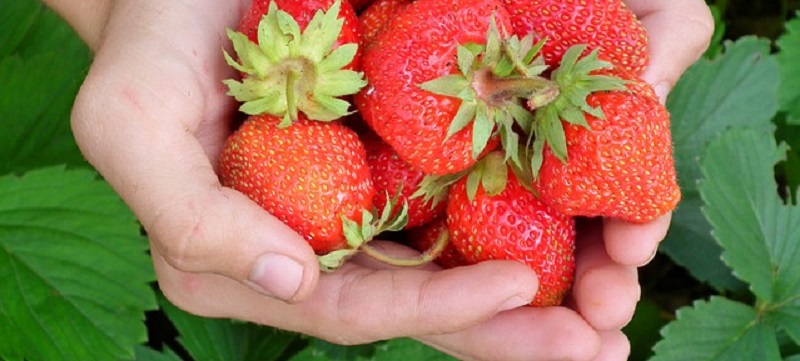
- Strawberries are a good organic garden choice for families with strawberries. Children enjoy picking fruit themselves out of a garden. Because of this, they’ll be more likely to provide you with some assistance in your garden if they feel like they’re receiving something out of it.
- If you are growing plants organically indoors, you have to consider the light that they are getting. If you live in a home or apartment that does not get great sunlight you may want to consider growing plants that are designed to grow in low or medium-light environments. If you still are unable to get enough light to your plants, consider purchasing grow-lights.
- Keep your garden tools close at hand to make the most of your gardening time. Large pockets or a sturdy bucket can be used to store tools. Have gloves, shears, a trowel and anything else you need handy for quick use.
- When your plants begin to sprout, they can survive in somewhat cooler temperatures. As your plants grow, move them away from the source of heat.
- The optimal amount of organic mulch to use in your flower beds is 2 – 3 inches. This will discourage weeds from growing, add nutrients, and retain the moisture in your garden.
- You can add used coffee grounds to your garden soil. Coffee grounds are full of nitrogenous nutrients that growing plants need. Plants need an adequate nitrogen source in order to thrive. Adding coffee grounds increases the soil’s nitrogen content and will help to make your plants grow faster, taller and healthier.
- Don’t let all the little chores in your organic garden build up. If you can’t get out in your garden every day, there are still a number of things you can do to keep things from falling into disarray during your absence. While you are with your pet outside, pull some weeds while the pet does its business.
- Keep your compost pile balanced with a combination of dried and green plant mulch. Green means plant cuttings including grass, produce and weeds. Dry materials, like sawdust, cut up wood pieces, cardboard, straw and shredded paper are good for your compost pile. Avoid using animal manure, charcoal or diseased plants in your compost.
- If slugs are an issue in your garden, a beer trap can make them go away. Start by burying a wide-mouth jar in the soil, ensuring that the rim of the jar is just at the soil’s surface. Fill the jar with beer to an inch below the jar’s top. Slugs will be attracted to the beer and find themselves trapped.


 Total views : 560175