

Facts About Hydroelectric Power
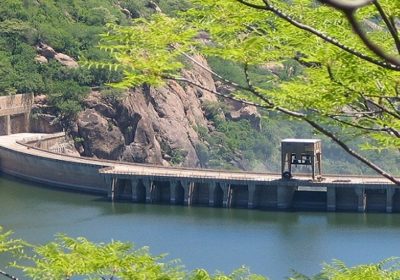
Hydroelectricity is electrical energy which is generated from hydro-power, also known as hydraulic power or water power.
Here are some interesting and informative hydroelectric power facts.
There are four basic ways by which hydroelectricity is generated from water.
Dams:
This method extracts the potential energy of water collected in dams. Water turbines and generators are driven to extract such energy. The amount of power extracted depends upon the volume of water as well as upon the difference between the height of the water source and the water outflow. Such difference in height is known as head and the potential energy of the water is directly proportional to the head.
Pumped Storage:
Under this method, electricity is generated by moving water between reservoirs located at different heights. This method is useful for supplying electricity on occasions of high peak demands. When the demand is high, water is released from a higher to a lower reservoir by running a turbine and in times of low demand, water from lower reservoirs are pumped up into higher reservoirs.
Run-Of-The-River:
As opposed to pumped storage, run-of-the-river electricity stations are not designed to store water and they have a much smaller reservoir capacity than pumped storage stations. The rest of the mechanism, using elevation and drop of water sources, is similar to pumped storage.
Tidal Power Generation:
Power plants generating tidal power harness the energy generated by daily rise and fall of water due to the tidal phenomenon.
Hydroelectric Power – Advantages and Disadvantages.
Pros
- Power source is renewable, unlike fossil fuels
- Low cost of operations
- Power generation is instantaneous
- Non-polluting as there is no burning of fuel or any other toxic waste discharge involved in generating electricity from running water
Cons
- Large reservoir needed calling for large area requirement and huge scale of construction
- Construction of such reservoirs or dams may sometimes prove detrimental to surrounding environment in the form of causing water shortage.
- If hit by drought, hydro-power stations can literally go dry!
- Turbines of hydro-power constructions can pose a danger to aquatic lifeforms and dams pose an obstacle to the movement of fish.
Interesting Facts
- Hydroelectricity was generated for the first time in the year 1882. The world’s first hydroelectricity station was situated in Wisconsin. This power station used water from the Fox River to generate electricity.
- China is the generator of the largest amount of hydroelectricity, more than any other country in the world! China has also built hydro power stations in many other countries.
Many countries around the world use hydroelectricity on a daily basis. Prominent among them are Brazil, Russia, Canada, Tanzania, North Korea, Iceland and New Zealand. - The US uses hydraulic power sources to generate electricity – more than other renewable sources of electricity. That means, hydro-power is a more popular source of energy than renewable resources examples like solar and wind power in the US.
- Hydroelectric power stations can successfully function for a very long time. A large number of Canadian hydro-power stations have been functioning without a hitch for more than fifty years!
- Most state-of-the-art hydro power stations are capable of recovering their set up cost within eight years of starting their operations.


 Total views : 238786