

How Recycling Works
Recycling is a pretty simple concept: take something that isn’t useful any more and make it into something new instead of just throwing it away. It can be anything from recycling old paper into new paper, to making an old hub cap into a decorative birdbath. In reality, recycling can get pretty complex – used consumer goods are collected, converted back into raw materials and remade into new consumer products. Aluminum cans, office paper, steel from old buildings and plastic containers are all examples of materials commonly recycled in large quantities.
This video explores what happens to your stuff after you toss it into the little green bin with the arrows on it.
Almost anything can be recycled but some materials like computers, batteries and light bulbs are too complex and contain too many toxins to properly recycle so they are either thrown away or taken to different specialized facilities.
Specialized facilities focus on five different kinds of waste; paper, steel, glass, aluminium and plastic as they make their way through the plant. Each of these materials is separated from the mixture as they make their way through this process.
- Paper is sorted based on the type of paper, how heavy it is, what it’s used for, its colour and whether it was previously recycled. Then a hot chemical and water bath reduces the paper to a soupy, fibrous substance. Magnets, gravity and filters then remove things like staples, glues and other unwanted chemicals from the pulp. The ink is removed by either a chemical wash, or by blowing the ink to the surface where it’s skimmed off. The pulp is then sprayed and rolled into flat sheets, which are pressed and dried. Sometimes new pulp is added to the recycled pulp to make the paper stronger. The giant sheets of paper, when dry, are then cut into the proper size for resale back to consumers.
- Steel – Once sorted, scrap steel is melted down and re-refined into huge sheets or coils. These can be shipped to manufacturers to make car bodies or construction materials.
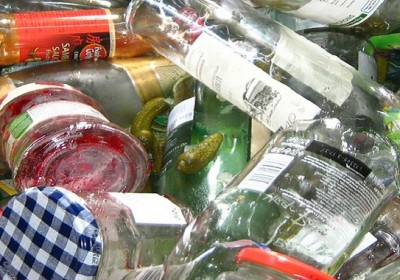
- Glass – There are two ways to recycle glass. Some companies collect bottles from their customers and thoroughly wash and disinfect them before reuse. Other glass recyclers sort the glass by colour (clear, green and brown glass shouldn’t mix because it’ll give it a mottled effect). The glass is ground up into fine bits known as cullet, thoroughly sifted and filtered using lasers, magnets and sifters, then melted down and reformed into new glass.
Only glass used in containers like jars and bottles is commonly recycled. Window glass and glass used in light bulbs is too expensive and difficult to recycle. - Aluminum cans save 95 percent of the energy used to make new cans. The cans are chopped up, then heated to remove the paint coating. The pieces melt and mix in a vortex furnace. After being filtered and treated, the molten aluminium is poured into ingots, which are rolled into flat sheets ready to be made into new cans.
- Plastic – When plastic is recycled, it’s usually made into a new form. The plastic is sorted into different types and colours, filtered and sifted of contaminants, then chopped and melted into pellets or extruded into fibres. These materials can be used many ways: fleece fabric, durable construction materials, moulded furniture or insulation.


 Total views : 238885