

Energy 101: Hydropower
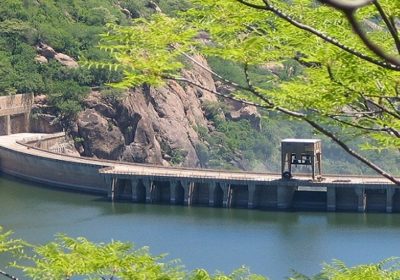
Learn how hydropower captures the kinetic energy of flowing water and turns it into electricity for homes and businesses.
Hydroelectric power creates electricity by using flowing or falling water.
It uses the kinetic energy of the water to drive turbines that in turn drive generators.
Many hydroelectric power plants are located with rivers that have strong currents, waterfalls, and even man-made dams.

Hydroelectric Power – Advantages and Disadvantages.
Pros
- Power source is renewable, unlike fossil fuels
- Low cost of operations
- Power generation is instantaneous
- Non-polluting as there is no burning of fuel or any other toxic waste discharge involved in generating electricity from running water
Cons
- Large reservoir needed calling for large area requirement and huge scale of construction
- Construction of such reservoirs or dams may sometimes prove detrimental to surrounding environment in the form of causing water shortage.
- If hit by drought, hydro-power stations can literally go dry!
- Turbines of hydro-power constructions can pose a danger to aquatic lifeforms and dams pose an obstacle to the movement of fish.


 Total views : 238839