

The Truth About Solar Power

To solve the shortage of fossil fuels we will need to look for other possibilities for our energy demand.
Solar energy is one of the energy sources that is being developed and the use of solar energy has steadily been growing.
For a long time, solar power has been very much hated from a cost-benefit standpoint but things are starting to turn around for the technology. Around the world, progress is being made to make solar power a viable alternative.
Today solar energy is widely used in the US and the advantages are numerous. Our solar energy source, the Sun, has a life span estimated to be another 4.5 billion years. It is fair to say that this energy source is almost endless.
Rate of Energy from the Sun
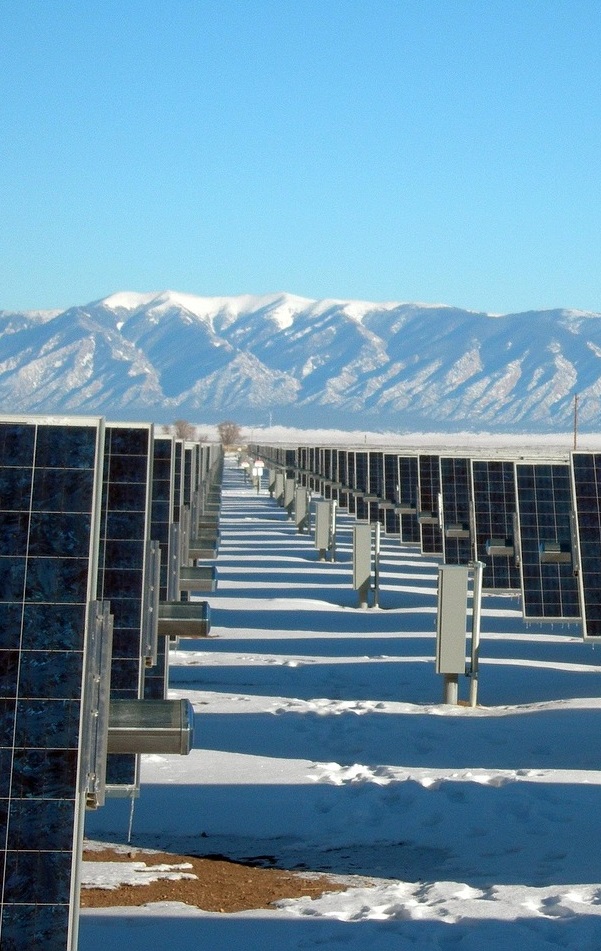
The sun’s radiation reaches a certain unit of area in space in the region of the Earth’s orbit and is estimated to be at 1,400 watts per square meter. Out of this, photovoltaic cells (also known as solar cells) can capture 19 to 56 watts per square meter (for 15% efficiency) or an equivalent of 0.45 to 1.35 kilowatt per hour (kWh) in an annual day and night average.
Conversion of Solar Energy
There are two ways to convert solar energy.
First is the direct solar energy which involves only one conversion into a usable form.
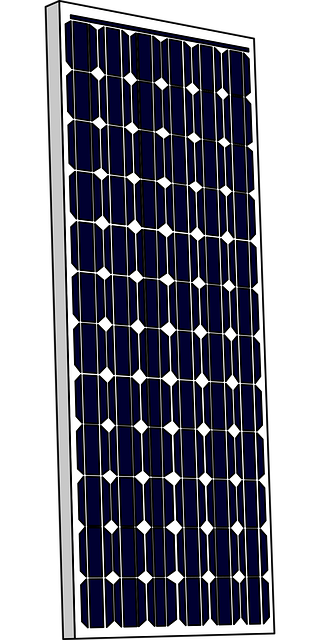
- Sunlight hits the solar cell, converting it into electricity.
- Sunlight hits the absorber surface of a solar thermal collector, converting into thermal energy which can be used to heat homes during cold season.
The second is the indirect solar energy which involves more than one conversion to reach a usable form.
- Plants use photosynthesis to transform solar energy to chemical energy, which can be burned later as fuel to generate electricity (also known as bio-fuel technology).
- Hydroelectric dams and wind turbines are indirectly supplied by solar energy through its interaction with the Earth’s atmosphere.
Pros and Cons of Solar Energy
Just like any other types of energy resources, solar energy has its ins and outs.
Pros:
- Pollution-free.
- Solar facilities can be run with little extra input or maintenance.
- It is abundant. Most of the inhabited areas here on Earth can be reached by sunlight.
Cons:
- Although it is abundant, non-tropical locations can receive little sunlight. Thus, power that will be produced in these locations is a minimum.
- Only during daytime thus not available during night time.
- Photovoltaic cell technologies generate direct current (DC) power which needs to be converted to alternating current (AC) power used in distribution grids.
Once massive development of the use of solar energy is materialized, every household or industry in the world could be powered by solar energy.


 Total views : 238885